How to calculate in Chess

35 free video tutorials, each tagged by level

What coaches agree on

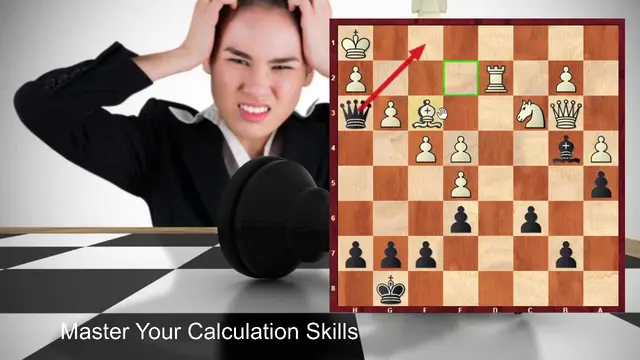
  • Before anything else, scan the position for forcing moves in order: checks first, then captures, then threats, since your opponent has the fewest replies to answer them and they're the easiest to calculate accurately.
  • When listing candidate moves, quickly rule out the ones that obviously don't work using your general chess understanding, rather than fully calculating every possibility like a computer would.
Show more

Common mistakes

  • Stopping the calculation right after the first move that looks promising or bad, instead of following the forcing sequence all the way through to a clear, concrete final evaluation.
  • Assuming the opponent will play the obvious or seemingly forced reply, such as an automatic recapture, instead of calculating their best or most aggressive alternative response.
  • Vaguely weighing several moves without concretely calculating any of them to a conclusion, which either burns the clock or ends with playing a move that was never actually calculated.
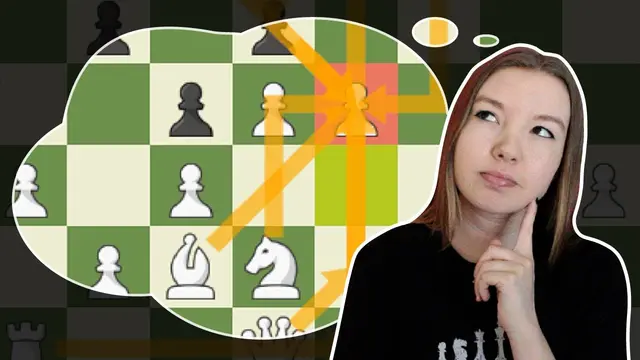
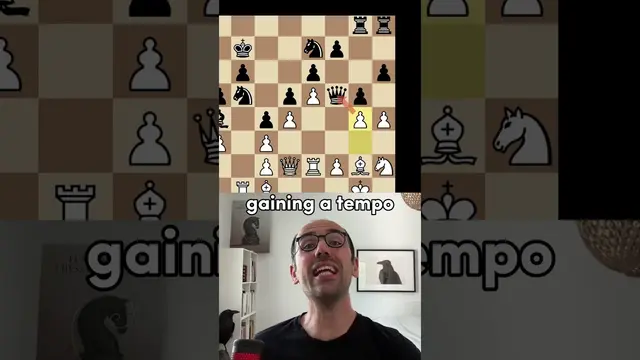
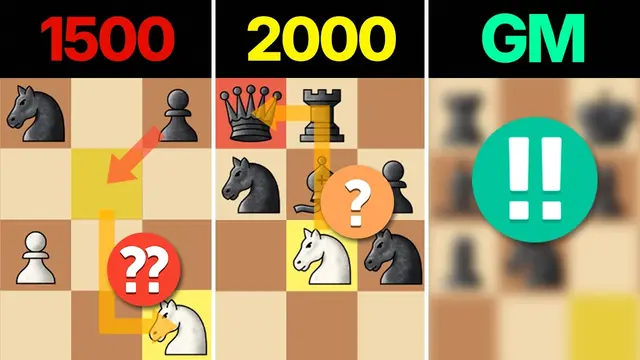
This Simple Method Helps You Calculate Better Than 95% Chess Players
Intermediate
This Simple Method Helps You Calculate Better Than 95% Chess Players

Reviewer The best explanation in this batch of WHY checks/captures/threats works, not just that it works. Verifies the idea against the opponent's best defense too -- that's the step people skip.

Moderator GM-taught, entirely about the calculation method -- evaluate first, then scan checks/captures/threats, then verify against the opponent's best reply. Squarely the skill.

3.9
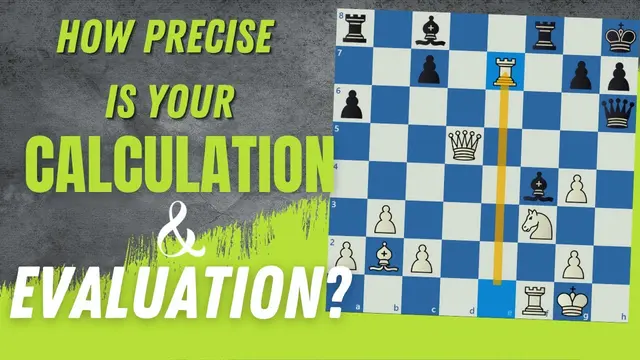
Is Your Calculation Precise Enough?
Advanced
Is Your Calculation Precise Enough?

Reviewer Outstanding — models the actual discipline good calculation requires.

Moderator This IS a calculation exercise, worked live, from a real club game — as on-topic as it gets for 'how to calculate.'

3.8
How to Calculate | Chess Middlegame Strategy
Intermediate
How to Calculate | Chess Middlegame Strategy

Reviewer Doesn't stop at 'does this lose material' -- shows you how to judge whether a structurally sound line is actually pleasant to play. That's the real skill.

Moderator Entirely about the calculation thought process -- plan, visualize the reply, verify or fix it. Dead on topic.

3.8
The BEST Way To Calculate in Chess
Intermediate
The BEST Way To Calculate in Chess

Reviewer Watching him almost miss his own tactic and catch himself mid-thought is worth more than the framework -- that's what real calculation looks like.

Moderator The whole video is the checks-captures-threats calculation framework, demonstrated live move by move. On topic throughout.

3.7
How to Calculate Variations | Chess Middlegames
Intermediate
How to Calculate Variations | Chess Middlegames

Reviewer Calls out the exact bad habit of calculating three lines then playing a fourth un-calculated move anyway -- if that's you, this is worth the watch.

Moderator Entirely about the calculation process -- diagnoses the real mistakes players make while calculating and how to fix them. Squarely on topic.

3.7
How To Calculate In Chess (The 3-Step Method)
Intermediate
How To Calculate In Chess (The 3-Step Method)

Reviewer Solid, structured teaching -- shows you the search, not just the answer.

Moderator This is the textbook calculation framework -- candidate moves, calculate each, compare evaluations -- plus the classic checks/captures/threats search order. As on-topic as it gets for this sub-skill.

3.7
Outcalculate Your Opponents! The Ultimate Guide to Chess Move Order
Advanced
Outcalculate Your Opponents! The Ultimate Guide to Chess Move Order

Reviewer Excellent point -- if the forcing line fails, try re-ordering it before giving up on the idea entirely.

Moderator This is calculation training specifically about move ORDER within a forcing sequence -- a real and often-overlooked component of calculating correctly. Fully on-topic.

3.6
Stop Wasting Time! How to Manage Your Clock and Calculate Efficiently
Intermediate
Stop Wasting Time! How to Manage Your Clock and Calculate Efficiently

Reviewer Genuinely useful -- teaches you to recognize when you've calculated enough, which saves real clock time.

Moderator Entirely about calculation discipline -- specifically when to STOP calculating, which is as core to 'how to calculate' as knowing where to start. Multiple positions, all on-topic.

3.6
How to Calculate less and find better moves
Intermediate
How to Calculate less and find better moves

Reviewer Sharp lesson -- calculate the forcing line to the end before you go hunting for alternatives.

Moderator Dead center of the skill -- this is entirely about a calculation method (most forcing line first, don't stop until a clear evaluation) demonstrated on a real blitz position from start to finish.

3.6
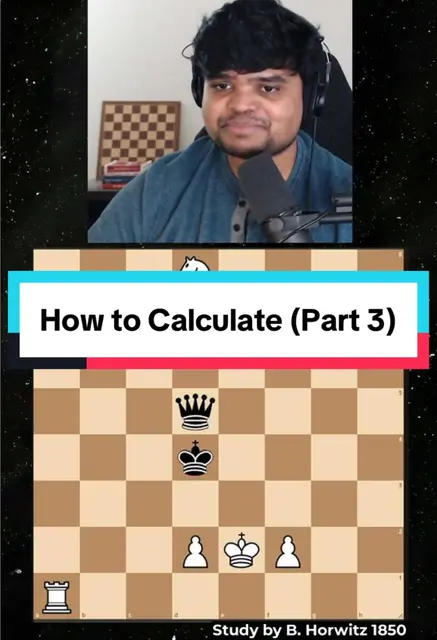
How to calculate in chess? Part 1: checks - Instagram
Advanced
How to calculate in chess? Part 1: checks - Instagram

Reviewer Sharp, specific, and it actually proves its point with a full line.

Moderator This is exactly what the sub-skill asks for — a direct, explicit rule for calculating ('never stop until you've exhausted every forcing check'), applied to a real position.

3.5
Lets Improve Your Chess | Chess Lesson 4 You |
Intermediate
Lets Improve Your Chess | Chess Lesson 4 You |

Reviewer The strongest of this batch -- teaches a specific, transferable calculation habit, not just puzzles.

Moderator This one names and repeats an actual calculation principle -- the biggest mistake is stopping your calculation one move too early -- and demonstrates it across several positions where the 'obvious' line fails but one extra move finds the win. A real, specific lesson about how to calculate, not just puzzles to solve.

3.5
6 Simple Rules to Calculate Easily in Chess [GM Techniques]
Intermediate
6 Simple Rules to Calculate Easily in Chess [GM Techniques]

Reviewer The blunder-by-blunder real game example alone is worth it -- you'll recognize yourself in it. Minor ding for the masterclass plug in the middle.

Moderator Six rules for calculation, each with a worked example, one straight from a real rated game. On topic throughout.

3.5
How to Calculate in Chess: A FIDE Master’s 4-Step Algorithm
Intermediate
How to Calculate in Chess: A FIDE Master’s 4-Step Algorithm

Reviewer Well demonstrated -- if you already know CCT this just adds pawn breaks to the checklist.

Moderator SCAK -- checks, captures, attacks, pawn breaks -- is a direct extension of the standard candidate-move search. Squarely about how to calculate.

3.5
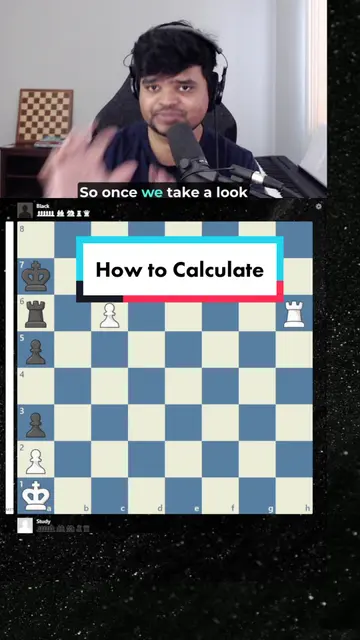
How to calculate in chess #chess #chesstok #chesstiktok | TikTok
Beginner
How to calculate in chess #chess #chesstok #chesstiktok | TikTok

Reviewer Walks through the process step by step, including the tries that fail, which is exactly how you build calculation.

Moderator Squarely about calculation, built on one position. Size up the pieces, set a goal (promote the passed pawn), list the candidate moves, and check each one until the dust settles. Then work backwards from the position you want, which here means a rook decoy and a knight underpromotion with check.

3.4
How to Calculate in Chess Like a Grandmaster
Intermediate
How to Calculate in Chess Like a Grandmaster

Reviewer Clear, well-reasoned, and the worked example actually sticks.

Moderator Five concrete tips built around one real position, focused on scanning the opponent's side of the board first for forcing moves and ruling out moves that clearly don't work. Textbook calculation-skill content.

3.4
How To Calculate In Chess? [5 Easy Tips]
Beginner
How To Calculate In Chess? [5 Easy Tips]

Reviewer Sharp, well-organized, teaches habits that actually change how you calculate.

Moderator Whole video is rating-level patterns in calculation: forward vs backward thinking, hope chess, calculating to the end of forcing sequences. Directly the sub-skill, illustrated on one real position worked all the way through.

3.4
How to Calculate Better in Chess | 3 Simple Tricks
Intermediate
How to Calculate Better in Chess | 3 Simple Tricks

Reviewer Teaches you to calculate less by understanding more -- genuinely useful reframe.

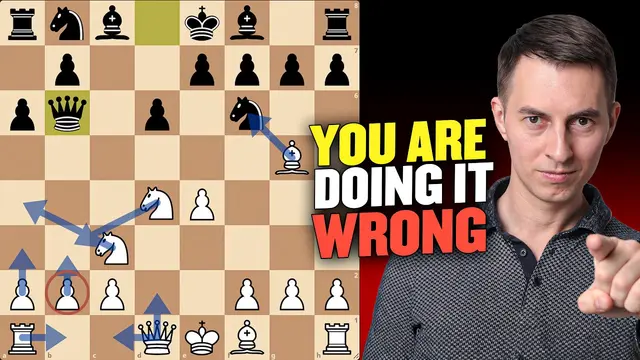
Moderator Runs an actual Sicilian position (Qb6 hitting b2) through a full candidate-move review, ruling moves in and out with reasoning. Squarely about how to narrow down what to calculate, which is the real skill here.

3.3
How To Calculate In Chess
Beginner
How To Calculate In Chess

Reviewer Concrete, teaches you a checklist you can actually use mid-game.

Moderator Calculation as a defined process: the checklist (what does the opponent want, checks, captures, attacks) applied to real student games rated under 1000. This is a structured method for the exact sub-skill, not a vague pep talk.

3.3
How To Calculate In Chess: CAPTURES
Intermediate
How To Calculate In Chess: CAPTURES

Reviewer Good, concrete breakdown of why some captures are better than others -- the outpost-knight example is worth it alone.

Moderator This is a deep dive into one branch of the calculation search (captures) rather than the whole method, but that's still squarely part of 'how to calculate' -- it's teaching you how to evaluate one category of candidate move properly.

3.2
How To Train Chess Like A Grandmaster - Chess Calculation training
Intermediate
How To Train Chess Like A Grandmaster - Chess Calculation training

Reviewer Good angle -- shows how recognizing a pattern speeds up your calculation.

Moderator Same puzzle-rush format, but this one explicitly leans on motif recognition -- pointing out that knowing a recurring mating pattern (knight and bishop mates) helps you find the solution faster in a new position. That's real calculation methodology, not just puzzles.

3.1
How To Calculate In Chess: CHECKS
Beginner
How To Calculate In Chess: CHECKS

Reviewer Good demonstration, though this episode only covers checks -- one slice of the whole picture.

Moderator Candidate moves via checks/captures/threats, demonstrated by having two real players (rated roughly 960 and 1550) think aloud through the same position live. A clever, concrete way to show what structured vs unstructured calculation looks like.

3.0
Mastering Chess Tactics: A Winning Strategy in 4 Moves
Intermediate
Mastering Chess Tactics: A Winning Strategy in 4 Moves

Reviewer Good way to learn - it makes you find the forcing moves, cross off lines, then asks for Black's best defense before calling the win.

Moderator Puzzle walkthrough built around the calculation process: start with the forcing moves (checks), cross off lines that fail, work out Black's best defense, and keep going through a rook sacrifice, a pawn sacrifice and a fork all the way to a won pawn ending. Squarely about how to calculate, taught by doing it on one deep position.

2.9
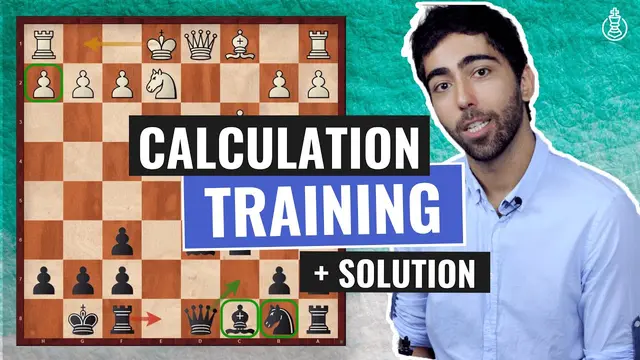
Chess Calculation Training
Intermediate
Chess Calculation Training

Reviewer Good volume of puzzles, but thin on teaching the actual calculation process.

Moderator Fifteen positions framed explicitly as calculation training, with hints pointing to which piece to start calculating with. Squarely practice material for this skill.

2.7
How To Calculate In Chess? And Find Best Moves Every Time In Hindi
Beginner
How To Calculate In Chess? And Find Best Moves Every Time In Hindi

Reviewer Useful basic habit -- cheapest attacker takes first -- clearly explained for the level it's aimed at.

Moderator Hindi-language lesson, squarely about finding candidate moves and calculating them correctly -- capture order (weakest piece first when trading), then a full worked example from a typical club-level Italian Game position. On-topic throughout.

2.6
Calculate Forcing Moves in Chess for Better Strategy
Beginner
Calculate Forcing Moves in Chess for Better Strategy

Reviewer Solid first rule of calculation, shown on a concrete position, but it's a quick tip and stops there.

Moderator Teaches one calculation habit, start with your forcing moves, and runs it on a position where a check limits the replies and wins material. A core part of how to calculate, though one idea rather than the whole process.

2.3
How to calculate the best Moves in Chess | Calculation Techniques | IM Alex Astaneh
Beginner
How to calculate the best Moves in Chess | Calculation Techniques | IM Alex Astaneh

Reviewer Decent setup video, but you're mostly waiting for the good part to start.

Moderator This is literally episode one of a dedicated calculation series: candidate moves, the scanning/counting method, why we look for checks before captures. Squarely the sub-skill. Only ding: a good chunk of the runtime up front is channel intro, subscribe asks and series roadmap before he actually touches the board.

2.3
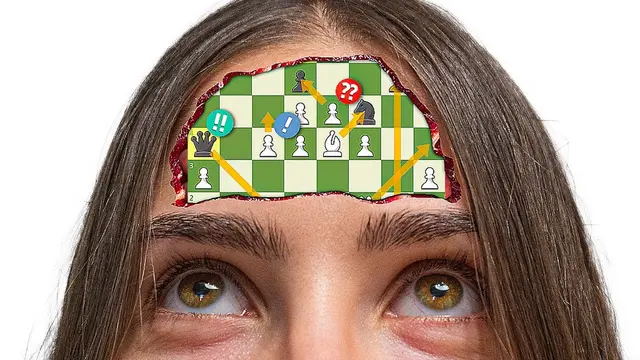
How to improve your calculation?
Intermediate
How to improve your calculation?

Reviewer Good mindset, but the actual calculation lesson hadn't started yet by where this cuts off.

Moderator Directly and explicitly about how to get better at calculation/visualization — exactly the named sub-skill, including a live coaching example being set up (calculate two candidate moves before the analysis is revealed).

2.1
Calculate the Best Move in Chess: A Strategic Guide - TikTok
Intermediate
Calculate the Best Move in Chess: A Strategic Guide - TikTok

Reviewer A good single example, though it's over before it really develops the idea.

Moderator This is squarely about calculating past the first capture — comparing 'just take the pawn' against the deeper follow-up line, exactly the habit this sub-skill is about.

2.0
How to Calculate Efficiently in Chess #chess #calculation #pawnstorm #attack #defense #strategy
Intermediate
How to Calculate Efficiently in Chess #chess #calculation #pawnstorm #attack #defense #strategy

Reviewer One good nugget -- set the goal first, calculate backward -- but it's over before it develops.

Moderator This is billed as being about efficient calculation, and the closing riff on 'how do you read the board' is genuinely calculation-adjacent, but 80% of the runtime is a single opposite-side-castling position lecture. It's more 'reading a specific structure' than 'how to calculate' as a general skill. On-topic, but narrow.

1.8