Pawn structure in Chess

35 free video lessons, each tagged by level

What coaches agree on

  • Look at which way your pawn chain points — that tells you which side of the board to expand and attack on.
  • When the opponent has more than one weak pawn, mass your pieces against the single hardest one to defend instead of spreading your pressure.
Show more
  • An outpost — a square no enemy pawn can ever attack — is prime real estate for a knight, so aim to plant a piece there while denying your opponent the same square.

Common mistakes

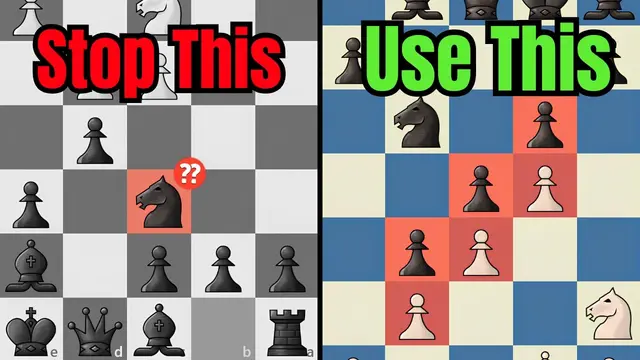
  • Recapturing an offered pawn trade automatically, without checking whether it actually helps the opponent more — for instance by freeing a bishop that was stuck behind its own pawns.
  • Pushing a pawn to develop a piece or grab space with no concrete reason, forgetting that the hole it leaves behind is permanent since a pawn can never move back.
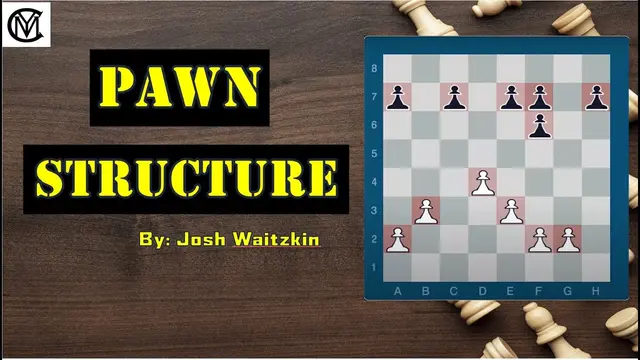
The ONLY Pawn Structure Chess Guide you’ll ever need
Intermediate
The ONLY Pawn Structure Chess Guide you’ll ever need

Reviewer The Bologan example alone teaches a real, transferable idea about provoking outposts.

Moderator A dense, well-organized condensed guide covering pawn islands, isolated pawns, pawn chains and their weakest link, doubled/isolated pawns, outposts, and open/half-open files, each defined and then immediately shown in a real annotated game (including a striking Bologan provoke-then-outpost example). Comprehensively the sub-skill.

3.9
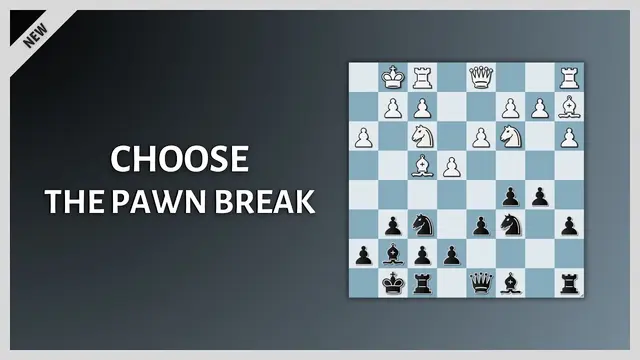
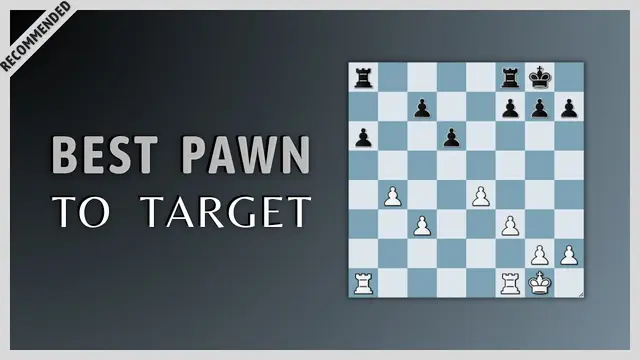
Pawn Structure Chess: Choosing the Right Pawn Break
Advanced
Pawn Structure Chess: Choosing the Right Pawn Break

Reviewer Real depth - calculates the consequences of each break instead of just naming them.

Moderator Choosing between pawn breaks based on the structure is precisely this sub-skill - the entire lesson.

3.9
Ep 12 - Pawn Structures Understanding : Philidor’s Wisdom on Attacking and Gaining Space
Intermediate
Ep 12 - Pawn Structures Understanding : Philidor’s Wisdom on Attacking and Gaining Space

Reviewer The skeleton analogy alone makes this worth watching -- structure really does become obvious.

Moderator Built entirely around Philidor's 'pawns are the soul of chess' and the 'pawn skeleton' analogy, then walks through three example positions showing how the pawn structure alone dictates each side's correct plan (space, wing to attack, opposite-castling attack race). Exactly the sub-skill.

3.8
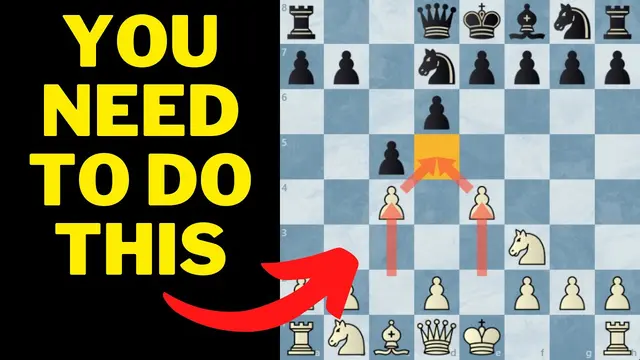
How Pawn Structures Tell You What To Do In Chess
Advanced
How Pawn Structures Tell You What To Do In Chess

Reviewer Goes past the obvious idea to the real point of the move -- excellent depth.

Moderator Thesis-driven: the pawn structure (specifically the central pawn chain) tells you the correct plan. Walks through exactly how to read the chain's direction to find the right pawn break, including a subtle baiting idea (H5 isn't really about attacking the king, it's about provoking g5 to kill black's own break). This is the sub-skill at its best.

3.8
Evaluate Any Chess Position Using Pawn Structure
Beginner
Evaluate Any Chess Position Using Pawn Structure

Reviewer Textbook-quality — defines the terms and immediately shows why they matter.

Moderator Systematic walk through doubled pawns, isolated pawns, pawn islands, all applied to concrete positions. Squarely the sub-skill, arguably the most complete single-video treatment in this batch.

3.8
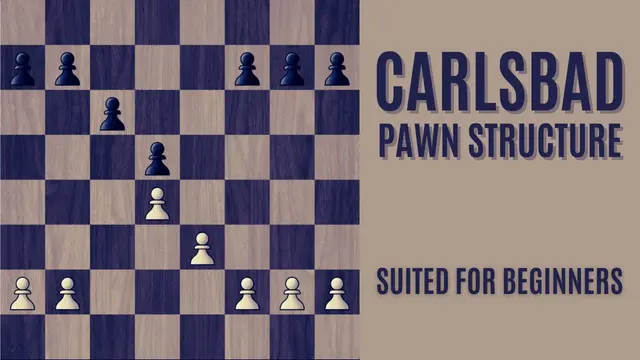
Carlsbad pawn structure / Chess strategy explained
Intermediate
Carlsbad pawn structure / Chess strategy explained

Reviewer Walks every branch of the minority attack and shows exactly which pawn falls in each.

Moderator Entire video is one pawn structure and how to play it - textbook example of the sub-skill.

3.8
3 Tips On How To Use Pawns in Chess | Pawn Structures Strategy
Intermediate
3 Tips On How To Use Pawns in Chess | Pawn Structures Strategy

Reviewer Doesn't just give a rule -- shows you exactly when to break it and why.

Moderator Two concrete, nuanced tips directly about managing your own pawn structure: don't weaken it without a real reason (g6 hole leading to a forced mate), and sometimes it's correct to weaken it anyway for piece activity (recapturing toward the open file). Precisely this sub-skill, including its exceptions.

3.7
5 Most Common Chess Pawn Structure MISTAKES
Intermediate
5 Most Common Chess Pawn Structure MISTAKES

Reviewer One rule, shown to actually generalize — this is how you make a lesson stick.

Moderator Entire video is built around structural trading mistakes — the 'invitation isn't an obligation' principle applied across French, Caro-Kann, King's Indian. Squarely on topic.

3.7
The Pawn Structure Mistakes That Quietly Lose You Positions (English Opening)
Intermediate
The Pawn Structure Mistakes That Quietly Lose You Positions (English Opening)

Reviewer Best kind of lesson — a real mistake dissected properly, with the principle spelled out.

Moderator Whole video is about structural decision points in a real student's English Opening game — recapture choices, isolani creation, symmetrical structure evaluation. Nothing but pawn structure.

3.7
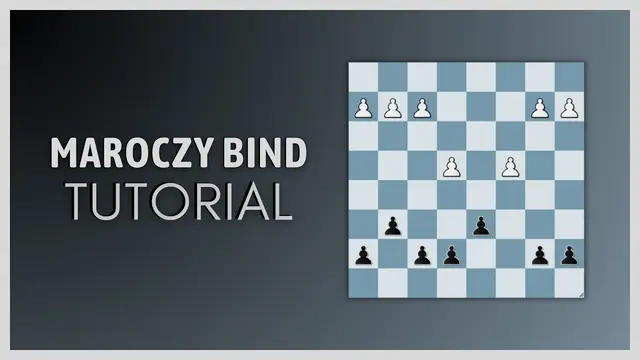
Maroczy Bind - Understanding Pawn Structure & Ideas
Advanced
Maroczy Bind - Understanding Pawn Structure & Ideas

Reviewer Thorough opening-specific structure theory - not for a first exposure, but accurate and deep for those ready for it.

Moderator Entirely dedicated to one named structure (Maroczy Bind) and the plans it produces for both sides - squarely pawn structure.

3.7
Weak Pawn Structure: Quick Guide for Beginners
Intermediate
Weak Pawn Structure: Quick Guide for Beginners

Reviewer Fixes a mistake almost every improving player makes about what actually counts as weak.

Moderator Entirely about assessing which pawns are actually weak in a structure - the core question of this sub-skill.

3.7
Creating an isolated pawn creates a permanent weakness that ...
Beginner
Creating an isolated pawn creates a permanent weakness that ...

Reviewer Good back-and-forth teaching style - makes the student find the problem before naming it.

Moderator Squarely and clearly about pawn structure - specifically the isolated pawn, its definition, and why it's a weakness. Directly on topic.

3.6
Pawn Structures In Chess | ChessKid
Beginner
Pawn Structures In Chess | ChessKid

Reviewer Precise definitions, not just hand-waving -- a real foundation to build on.

Moderator A comprehensive vocabulary tour of pawn structure -- doubled, tripled, isolated, pawn islands, passed pawns, backward pawns (with its three defining conditions), pawn chains, and named structures like the Carlsbad -- all squarely the sub-skill.

3.6
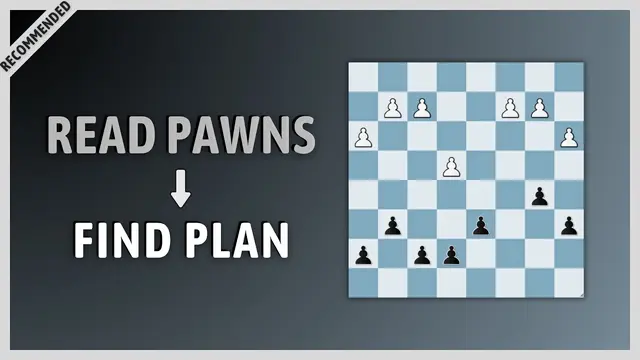
How to Form Winning Plans by Looking at the Pawn Structure
Intermediate
How to Form Winning Plans by Looking at the Pawn Structure

Reviewer Excellent — makes you find the plan yourself before showing the answer.

Moderator Entire lesson is reading a French Defense pawn chain to find the right plan — squarely the sub-skill, using a real historical Greco game throughout.

3.6
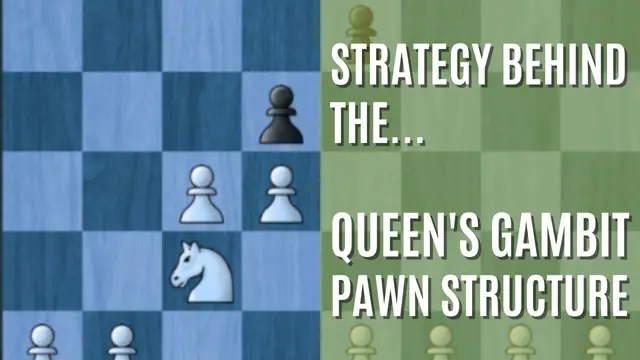
Queen's Gambit Declined: Strategy Behind Pawn Structure
Intermediate
Queen's Gambit Declined: Strategy Behind Pawn Structure

Reviewer Clean explanation of why this bishop trade doesn't achieve what it looks like it should.

Moderator Centers on one structural decision (trade the dark-squared bishop or not) driven entirely by the resulting pawn structure - squarely the sub-skill.

3.5
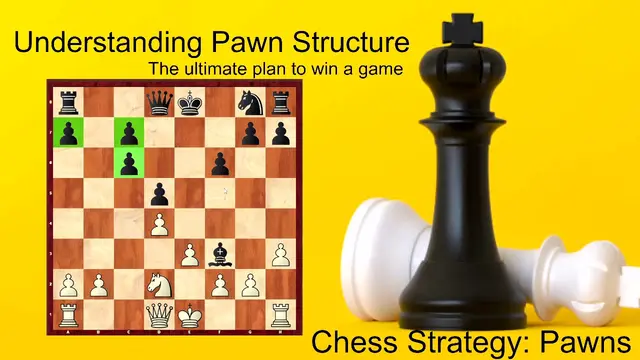
Understanding Pawn Structure  - Your winning chess plann
Beginner
Understanding Pawn Structure - Your winning chess plann

Reviewer Repetition across many positions really drills the core heuristic in.

Moderator Squarely about spotting pawn weaknesses (doubled pawns, isolated pawns, weak pawn clusters) and building a plan around attacking them, with a consistent repeated heuristic across many diagrams. Exactly this sub-skill.

3.4
Pawn Structure Principles - Full Guide With Timestamps
Beginner
Pawn Structure Principles - Full Guide With Timestamps

Reviewer Explains why the categories matter, not just their names -- that's what makes it stick.

Moderator Connected/doubled/tripled/isolated pawns, defined and reasoned through from scratch -- this is the vocabulary the whole sub-skill rests on. Squarely on-topic.

3.4
Understanding Pawn Structure | Chess Middlegames
Beginner
Understanding Pawn Structure | Chess Middlegames

Reviewer Uses clean example positions instead of messy real games -- smart choice for a first lesson.

Moderator Open vs. closed center, defined cleanly and generally, with clear strategic consequences for each (rook placement, pawn breaks). Squarely pawn-structure fundamentals.

3.4
The Secrets Behind Pawn Structures
Beginner
The Secrets Behind Pawn Structures

Reviewer Defines everything before using it -- good entry point into structural thinking.

Moderator Broad, clean survey of pawn-structure fundamentals -- islands, isolated queen pawn, locked centers, and named structures like Carlsbad. Squarely on-topic, good breadth.

3.4
Understanding the French Pawn Structure - The Amateur's Mind
Intermediate
Understanding the French Pawn Structure - The Amateur's Mind

Reviewer Corrects a real, specific mistake and explains why -- even pushes back on the engine with a real practical reason.

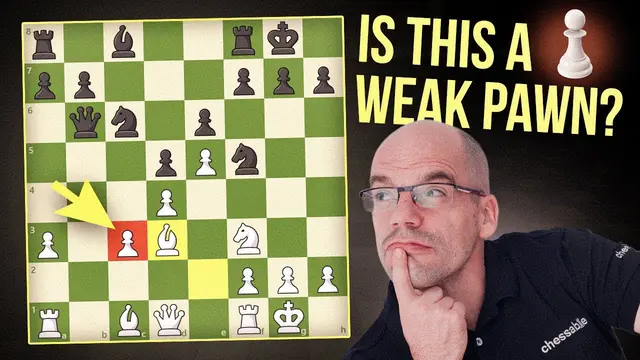
Moderator Whole video is French-specific pawn structure -- good bishop/bad bishop, the backward c3 pawn, why not to rush the bishop trade. Squarely on-topic.

3.4
A Positional Discussion about Pawn Structures and Dynamism
Advanced
A Positional Discussion about Pawn Structures and Dynamism

Reviewer Corrects a real misconception with actual reasoning, not just 'trust me' -- excellent.

Moderator Deep dive specifically into what makes a pawn 'central' (location vs. file) and how that governs a real trading decision -- squarely pawn-structure content, and unusually rigorous about it.

3.4
In this video I share 3 common techniques Grandmasters use ...
Intermediate
In this video I share 3 common techniques Grandmasters use ...

Moderator Squarely on pawn structure: three ways strong players create weaknesses in the opponent's pawns — piece exchanges (leaving a backward pawn on a semi-open file and an isolated a-pawn), pawn breaks (c5 to create isolated pawns or gain space), and fixing pawns in the endgame to make targets. Each is backed by a game example.

Reviewer Good practical framework for creating weak pawns, with real GM examples — you do need to know your pawn weaknesses first.

3.1
Chess Middlegame Tips: Understanding Weak Squares and Pawn Structure
Intermediate
Chess Middlegame Tips: Understanding Weak Squares and Pawn Structure

Reviewer Great side-by-side comparison of when a hole actually matters.

Moderator Weak squares and holes are directly a function of pawn structure and the video ties them together explicitly, but the center of gravity drifts a bit toward piece maneuvering plans (rook lifts, doubling) once the structural point is established.

3.1
How to Understand Pawn Structure | Chess
Beginner
How to Understand Pawn Structure | Chess

Reviewer Good glossary of terms, but stops short of showing them in action.

Moderator Short video, entirely devoted to defining the five basic pawn structures. Nothing else in it.

3.0
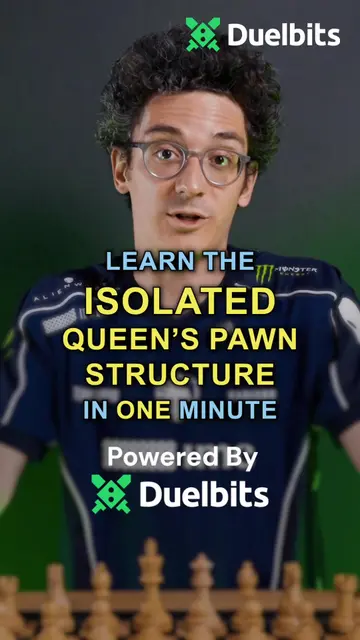
Isolated Queen Pawn Structure Explained
Beginner
Isolated Queen Pawn Structure Explained

Reviewer Tidy one-minute primer that gets the key idea across: you get space and activity, you pay with a lasting weak pawn. Stops short of the plans for either side.

Moderator Walks through the isolated queen's pawn: what makes a pawn isolated, how it comes out of a Caro-Kann line, and the trade-off of extra space and piece activity against a lasting weakness. One classic structure rather than pawn structure in general, but it's squarely the thing.

2.7
Top 5 Pawn Structures You Should Know
Intermediate
Top 5 Pawn Structures You Should Know

Reviewer Good ideas, but the delivery is scattered enough that you have to work to follow it.

Moderator Covers Caro-Kann/Scandinavian structure and the Maroczy bind with real plans for both sides, squarely pawn-structure content tied to specific openings.

2.7
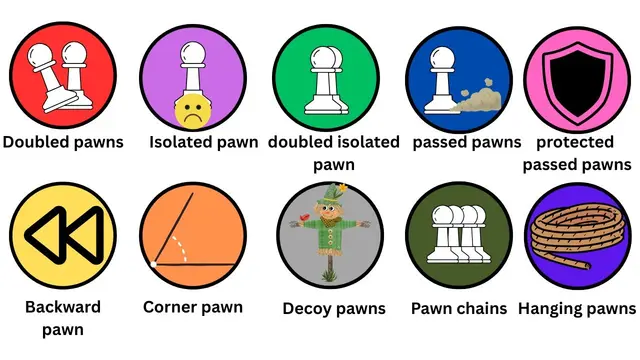
Almost every pawn structure explained!
Beginner
Almost every pawn structure explained!

Reviewer Correct definitions, but nothing to actually see or apply.

Moderator A rapid-fire glossary covering ten pawn-structure terms (doubled, isolated, doubled-isolated, passed, protected passed, backward, corner, decoy, chain, majority) -- broadly on-topic and comprehensive in scope.

2.2
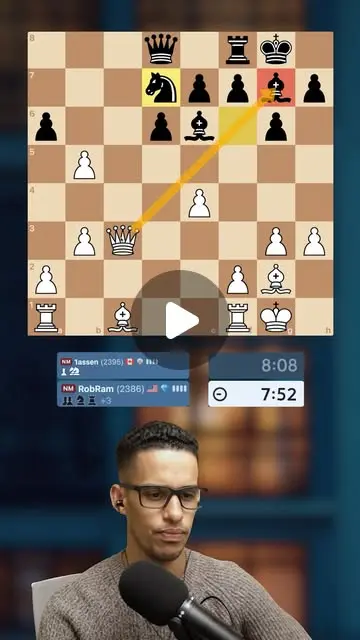
How Passed Pawns win #chess games! Even if you miss a tactic, a ...
Advanced
How Passed Pawns win #chess games! Even if you miss a tactic, a ...

Reviewer Real insight if you can extract it, but it's buried in one game's narration rather than laid out clearly.

Moderator Real content about pawn structure - specifically the philosophy of trading material for pawn structure and passed-pawn compensation - from a credible source, though the promised '3 techniques' framework only partially delivers before the clip turns into position-specific narration.

2.0
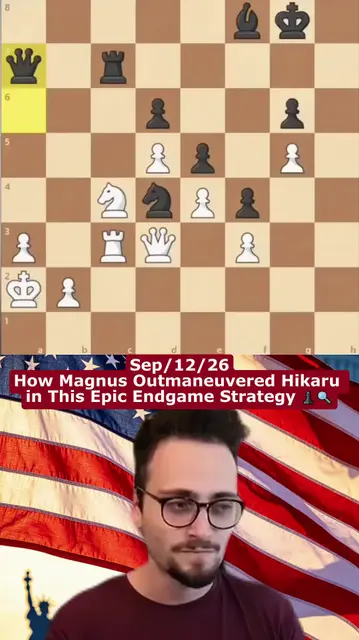
Magnus Carlsen comeback vs Hikaru Nakamura — pawn structure ...
Advanced
Magnus Carlsen comeback vs Hikaru Nakamura — pawn structure ...

Reviewer Decent explanation of the reasoning, tied to a genuinely instructive real game.

Moderator Real pawn-structure content (trading into a favorable pawn endgame, connected passed pawns) in an elite game, with some explanation of the strategic reasoning behind the trades, but a lot of the clip is still move-by-move narration rather than a generalized lesson.

1.9
Mastering Chess: Understanding Pawn Structures | TikTok
Beginner
Mastering Chess: Understanding Pawn Structures | TikTok

Reviewer Good hook, but it cuts off before actually teaching anything concrete.

Moderator Squarely framed around pawn structure as the key to middlegame planning - right topic, just very high-level and conceptual rather than teaching any actual structures.

1.8