Beginner
Reviewer Doesn't just list rules - shows you the concrete mistake each one prevents, five times over.
Moderator Five principles, five clear demonstrations, nothing else on the agenda. About as squarely on-topic as it gets.
4.0
37 free video lessons, each tagged by level
Reviewer Doesn't just list rules - shows you the concrete mistake each one prevents, five times over.
Moderator Five principles, five clear demonstrations, nothing else on the agenda. About as squarely on-topic as it gets.
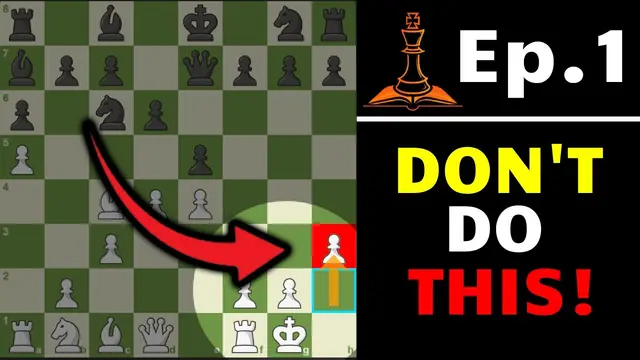
Reviewer Thorough, well-reasoned, and shows the principle in action.
Moderator Explicitly walks through numbered opening principles (knights before bishops, defend-while-developing) using a real annotated game. Exactly on topic.
Reviewer Efficient tour through a dozen-plus principles, each with its own example - good reference material.
Moderator Everything in the portion I have is a numbered opening principle - center control, development order, tempo-wasting, king safety timing, rook placement, knight placement, pawn structure weaknesses - delivered back to back with a real position for each. Wholly on-topic for this stretch of the video.
Reviewer Best 'why' explanation of center control here, with concrete square comparisons to back it up.
Moderator Extremely thorough and entirely on-topic: the meta-principle about exceptions, center control (with the why explained, opens both bishops and the queen, restricts the opponent's knight development), piece-to-center-value comparisons with concrete squares (Nf3 vs Nh3, Nc3 vs Na3), and knights-before-bishops all shown in the excerpt with clearly more to come. Nothing wasted.
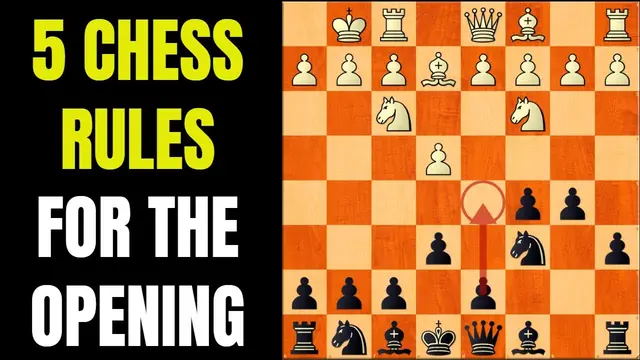
Reviewer Real games with real, severe consequences, makes abstract rules actually stick.
Moderator Every rule shown, don't open the position while behind in development, castle prophylactically rather than reactively, be flexible instead of forcing a memorized plan, is a genuine applicable opening principle, each backed by one of the coach's own real games with a real consequence. Nothing tangential.

Reviewer Explains not just the rule but why it matters, with a real line to back it up.
Moderator This is a direct, focused lesson on an opening principle, do not move your queen out early, walked through with a real Scandinavian Defense line showing exactly how it gets punished. Squarely on topic.
Moderator Explicitly restates all three rules and three principles of the opening, then spends the rest of the video showing how to punish an opponent who breaks them with a real example game. About as squarely on topic as it gets.
Reviewer Great follow-up to knowing the principles, shows you how to actually punish opponents who ignore them.
Reviewer Clear, accurate, no fluff - this is what a good fundamentals video looks like.
Moderator This is a textbook opening-principles lesson - develop pieces, control the center, don't move a piece twice, don't bring the queen out early, castle - laid out as numbered principles with a concrete example for each. This is exactly what the sub-skill is asking for.
Reviewer Clean framework with real examples backing it up.
Moderator Textbook opening principles video: center, development, king safety, stated as the three rules up front and then illustrated. Exactly the skill.
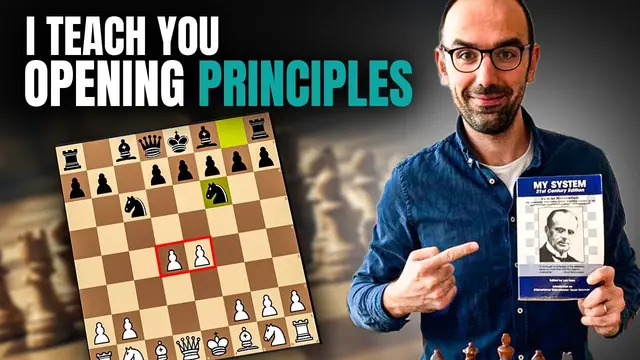
Reviewer Answers the question beginners actually ask, with a real refutation line to prove the point.
Moderator Entirely built around answering why central pawn control matters, using Nimzowitsch's My System as the spine and testing the idea against real games including the coach's own game as White. Planning-adjacent, but squarely an opening-principles video, deep on exactly this subskill.
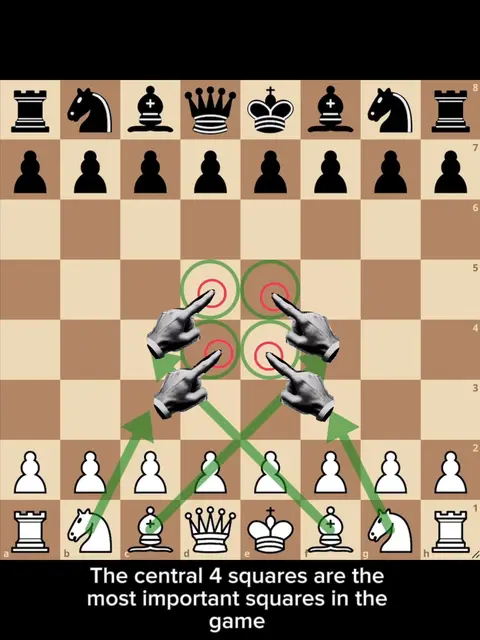
Reviewer Clear, correct fundamentals — a great starting point for anyone learning to open a chess game well.
Moderator Dead center on target — center control, minor piece development, not moving the same piece twice, avoiding pointless pawn moves, castling early, knights before bishops, queen out late. This is the standard canon of opening principles, presented clearly.
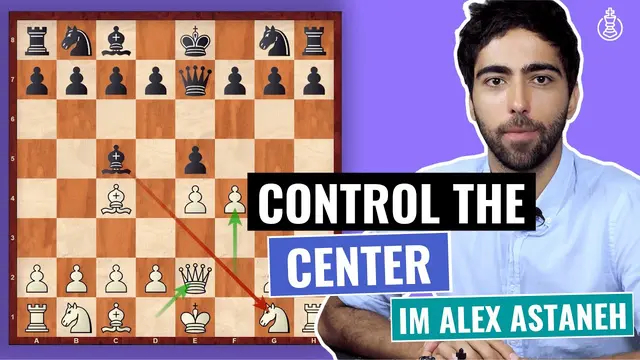
Reviewer Goes past the four-square cliche into the expanded-center idea, with a concrete example.
Moderator Opens with a clean overview of the three opening objectives, then commits fully to central control specifically: the four core squares, the less commonly taught expanded-center idea, and the tie between central control and space. Entirely on-topic for opening principles.
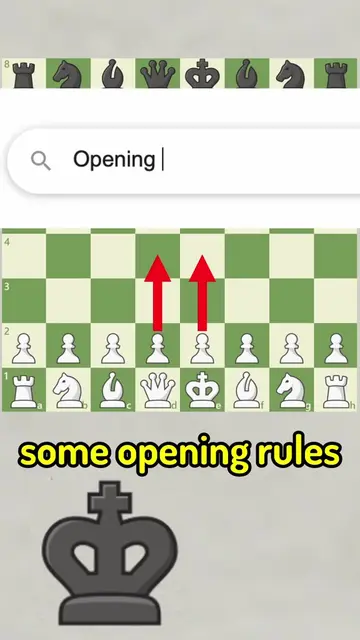
Moderator Seven opening rules in about a minute: develop your pieces, do not push too many pawns, do not move the same piece twice for no reason, clear the back rank so you can castle early, connect the rooks, and bring pieces toward the center, shown with a knight's reach growing from three squares to eight. That is opening principles, front to back.
Reviewer Best kind of beginner opening advice: a few rules you can actually use, and the knight demo shows why the center matters. No padding.
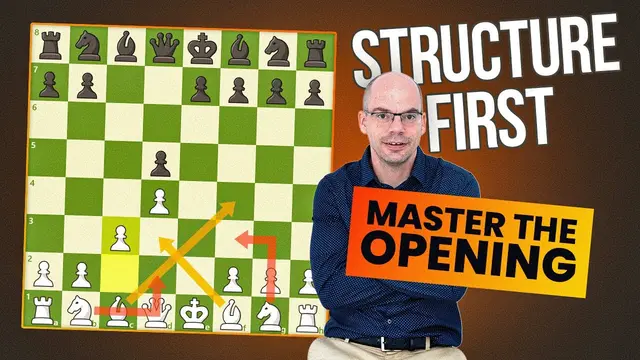
Reviewer The pin-evaluation framework alone makes this worth watching.
Moderator The whole video is opening-phase decision-making: development order, when it's correct to break the 'normal' principles, and a useful test for whether a pin is even worth playing. Squarely opening principles, just at a more sophisticated level than 'develop your pieces.'
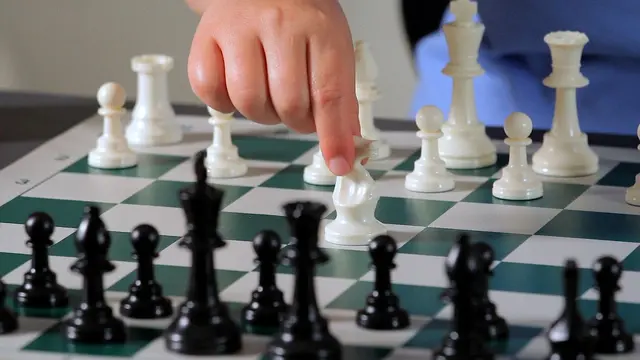
Reviewer Clear and friendly, but stays at the overview level - doesn't get into the mistakes that actually cost people games.
Moderator Three principles - center control, development, king safety - covered start to finish, nothing else discussed. Squarely on-topic even if the scope is narrow.
Reviewer Clear, honest, and actually explains the 'why' - good stuff.
Moderator This is squarely about opening principles applied to choosing a repertoire - explains why the Italian teaches good habits (center control, development, active pieces) and matches openings to playing style rather than just naming 'the best' one. Exactly the sub-skill.
Reviewer Solid principle teaching, though it drifts past beginner level near the end.
Moderator Built directly around a beginner opening-principles course: center control, knights-before-bishops, why a given developing move is or isn't good. On-skill, demonstrated through a real game.
Reviewer Doesn't just say 'don't,' shows the punishment and gives you the actual fix.
Moderator Both principles shown, don't move the f-pawn early, don't bring the queen out early, are genuine, well-known opening principles, each demonstrated with a real punishing line rather than just asserted. Directly on-topic; presumably a third principle follows past the cutoff.
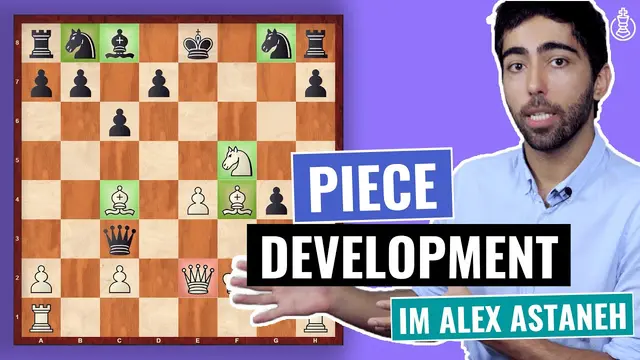
Reviewer Sharp, non-obvious point about files opening up, more than the usual 'just move your pieces' advice.
Moderator Squarely about development as an opening principle, taught through a real historical Greco game with the point made concrete at every step: who's ahead in development, how a rook can 'develop' just by an open file appearing, why grabbing a pawn while behind in development is dangerous. On-topic throughout.
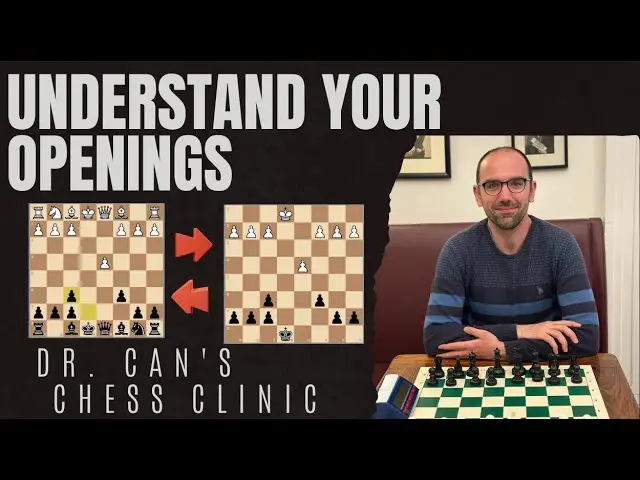
Reviewer Finishes the 'understand, don't memorize' argument with an actual worked example - worth it if you have some structural vocabulary already.
Moderator About how to approach and study openings rather than a list of do's and don'ts, but that's still squarely inside 'opening principles' territory - the core advice (connect your opening to the resulting structure/endgame instead of memorizing moves) is itself a legitimate, important principle, backed by a concrete demonstrated example rather than just asserted.
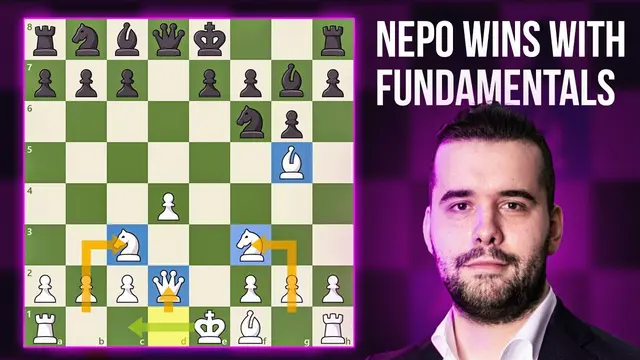
Reviewer Great hook, but the principle-teaching part is brief.
Moderator Explicitly built around showing that a 2758-rated GM used the exact same beginner opening principles (knight out, bishop out, castle) the presenter teaches at 500 level. Directly on-skill as a real-game illustration of the principles.
Moderator Built entirely around opening principles: claim the center with the d- or e-pawn, develop pieces to active squares, knights before bishops, castle early, use a pawn chain to support the center, and put bishops on long diagonals lined up with targets. It plays one setup move by move (White only) to show why each step follows from the principles.
Reviewer A clear case for playing on principles instead of memorising lines — a great place for newer players to start.
Reviewer Clear, sensible grounding in opening fundamentals - a good starting point before you specialize in any particular opening.
Moderator This is exactly what it says: general opening fundamentals - get a pawn or two in the center, develop knights and bishops before you block them in, get the king castled, then connect the rooks. It uses several different openings as quick illustrations without turning into a deep dive on any single one, and even introduces the useful setup-based-versus-theory-based opening distinction.
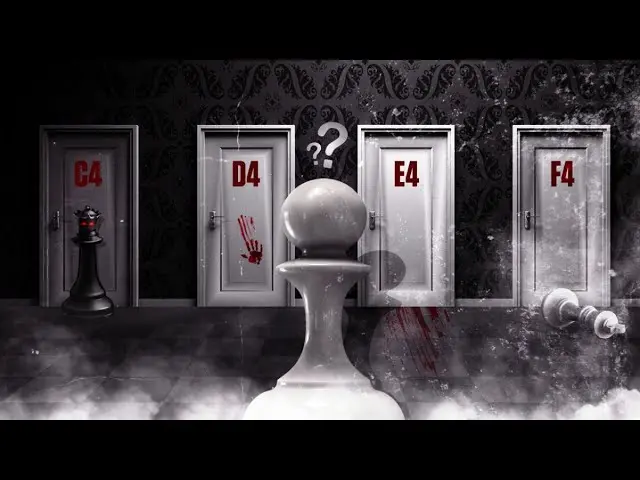
Reviewer Good framing on why principles matter, light on the how-to.
Moderator The core message is literally 'below about 1900, rely on opening principles, not memorized theory,' which is a direct, explicit case for why principles matter more than any specific opening. On-skill even though the title is about opening choice.
Reviewer A lot of real understanding packed into four minutes.
Moderator Teaches one specific opening's ideas (space, the bad light-squared bishop, pawn-chain-direction attacking plans) rather than generic principles, but applies real principles-based reasoning throughout.
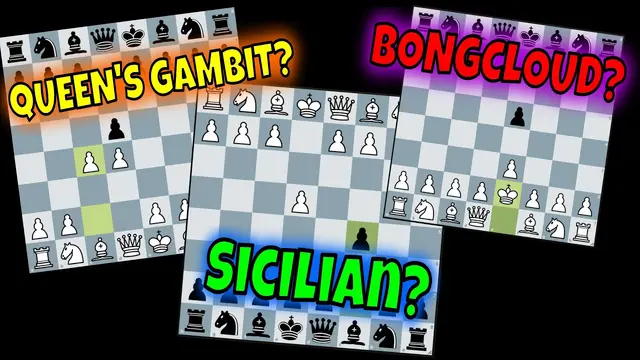
Reviewer Clarifies a distinction beginners usually never get explained.
Moderator Frames the two broad philosophies of openings (setup-based/positional vs. theory-based/tactical) with concrete named examples. Useful conceptual scaffolding for opening principles even though it's about selection rather than the classic center/development/king-safety checklist.
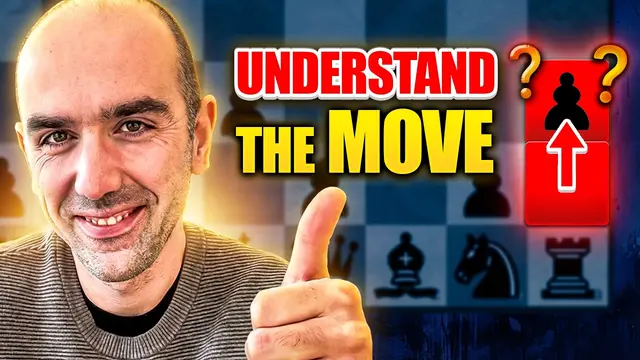
Reviewer Excellent if you already play these exact lines - not the video for general opening guidance.
Moderator Lands on a real principle at the end - the strongest opening moves serve multiple purposes at once - but gets there almost entirely through deep, line-specific opening theory (QGD's a6, Sicilian Kan's a6) rather than teaching a generalizable heuristic directly. Someone looking for 'opening principles' content is really getting an opening-prep deep-dive that happens to prove a principle; docking below a clean 2 for that mismatch in framing even though nothing said is wrong.
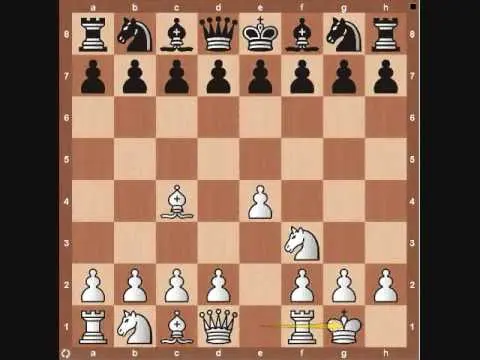
Reviewer Correct and complete, but generic, tells you what to do more than why.
Moderator Everything covered, center control, king safety, knight before bishop, not weakening the king's pawn shield, developing toward your castling side, connecting rooks, using open files, is a legitimate opening principle. Squarely on the subskill even if delivered a bit loosely.
Reviewer Good beginner reasoning, just needs a tighter edit.
Moderator He's playing a real rapid game and narrating his opening choices the whole way through in terms of development, king safety, and which side of the board to expand on - that's opening principles in action, not just a title slapped on a random game.
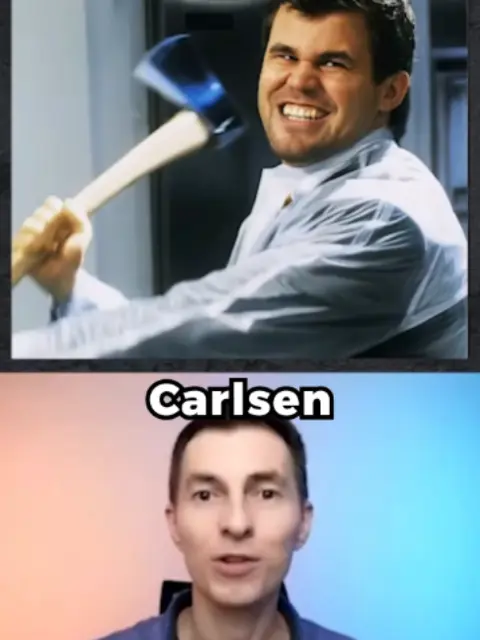
Reviewer A fun way to learn the rules — just remember Carlsen can get away with breaking them and most of us can't.
Moderator Teaches the classic opening rules by narrating a game where Carlsen, with Black, ignores them: moving the same piece twice instead of developing, bringing the queen out early, spending moves on pawns, and pushing on the queenside while leaving the center alone. Each rule is stated and briefly explained as it gets broken, so it stays on opening principles throughout. Despite the title, it's a narrator explaining, not Carlsen.
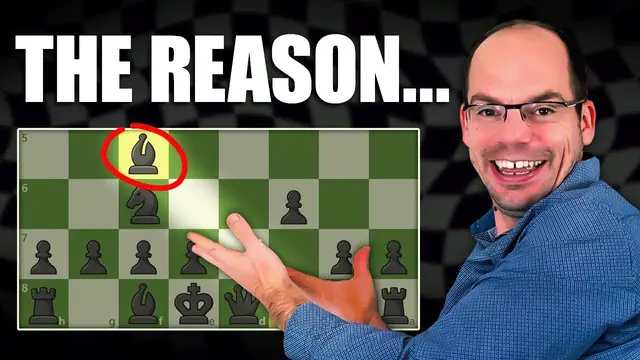
Reviewer Good concrete lesson in why piece mobility matters.
Moderator Uses opening principles (piece mobility, avoiding the bad-bishop problem) as the justification for a repertoire recommendation. It's more 'play this opening' than 'here are the principles,' but the reasoning throughout is principle-based rather than pure theory memorization.
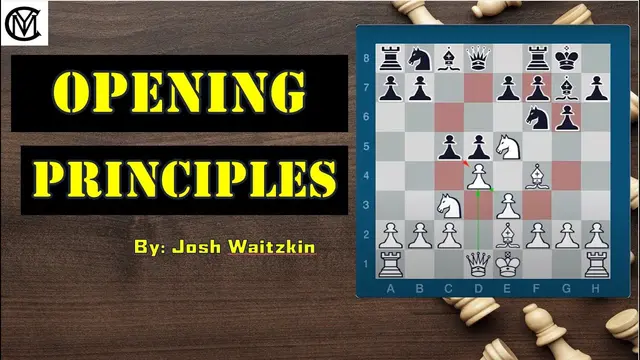
Reviewer Convinces you WHY principles matter before teaching a single one - good message, but you're still waiting for the content.
Moderator This is framing/philosophy for opening principles - arguing (convincingly, with real personal history) that understanding principles beats memorizing lines - rather than the principles themselves, which the clip cuts off just as they're about to start. It's about opening principles in the meta sense, not yet delivering any concrete one, so I can't call it squarely on-target.
Reviewer Genuinely useful framework for studying any opening on your own, though it's one idea deep rather than a full principles rundown.
Moderator This isn't a walkthrough of one opening, it's a method for approaching any of them: find where each piece wants to end up, spot the pawn breaks that bring your pieces to life. Uses the Scotch, the Caro-Kann and the King's Indian purely as illustrations of the method, never as the actual subject, and says so directly. That generalizable framing is exactly what opening principles should be about, even if it leans more toward 'how to study an opening' than the classic center/development/king-safety checklist.
Reviewer Clear, well-illustrated, and genuinely useful.
Moderator Framed as attacking principles, but the examples shown are genuine opening principles - lead in development and center control - illustrated with real opening positions.
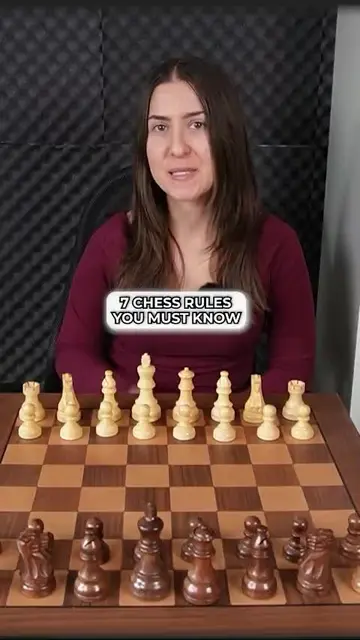
Reviewer Right rules, rapid-fire - a good checklist, but nothing showing why they matter.
Moderator Seven beginner rules, and the first ones are the core of opening principles: control the center, develop knights then bishops, castle. The rest - read your opponent's idea, simplify when ahead - is general play, so the video covers the topic among other things.
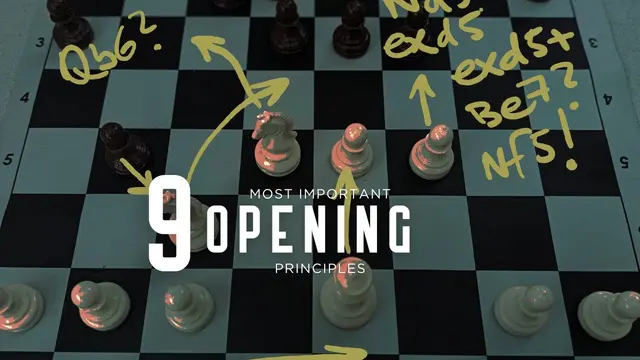
Reviewer Real content buried under a genuine mid-video sales pitch, teach or sell, pick one.
Moderator The chess content itself, once it starts, is squarely about opening principles (center control via pawns vs pieces, flank control options, the weakening effect of the bishop-pawn). But a meaningful chunk of this excerpt is a pitch for the presenter's own training app with a discount code, which isn't teaching the subskill at all, that's real estate not spent on the actual topic.
Moderator This is a real coaching moment about learning opening play through understanding rather than memorized tricks -- squarely about how beginners should approach the opening, even though this clip is more about the coaching philosophy than a specific list of principles.
Reviewer Valuable mindset lesson -- memorized tricks fall apart the moment you're on your own, so learn the ideas instead.