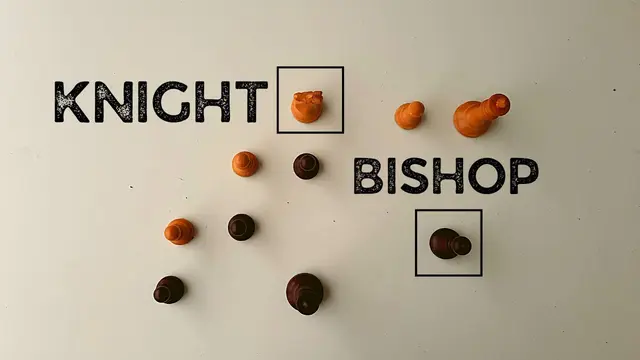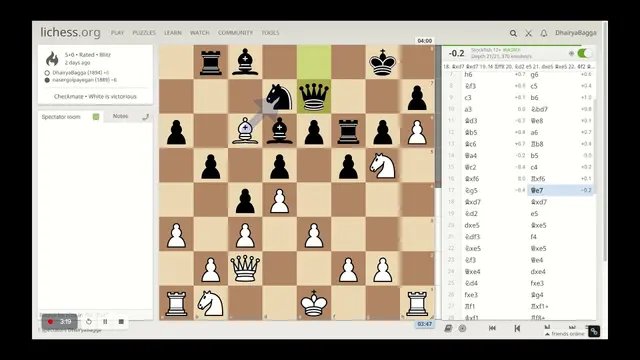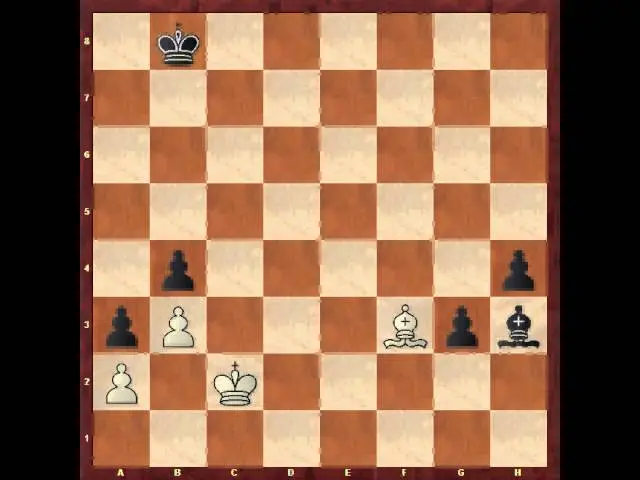
Good bishop vs bad bishop in Chess

36 free video lessons, each tagged by level

What coaches agree on

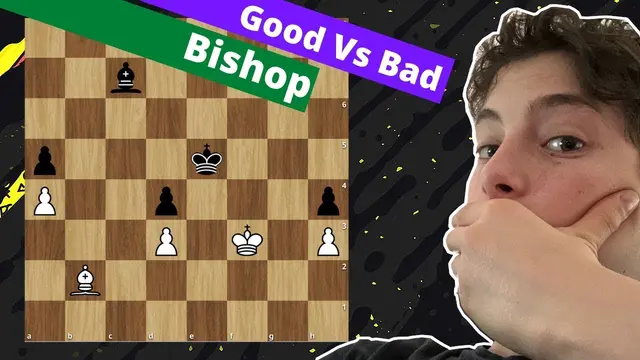
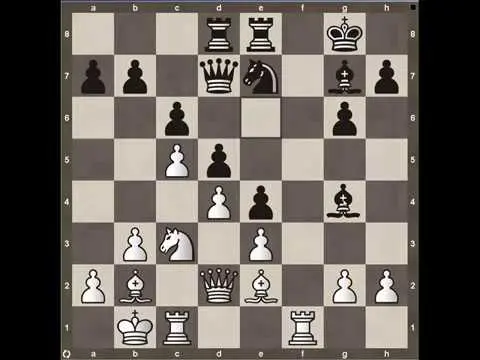
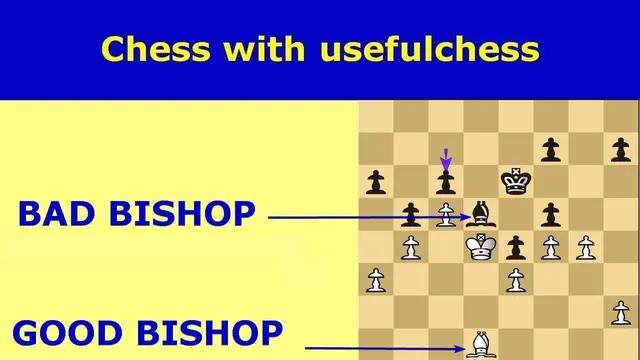
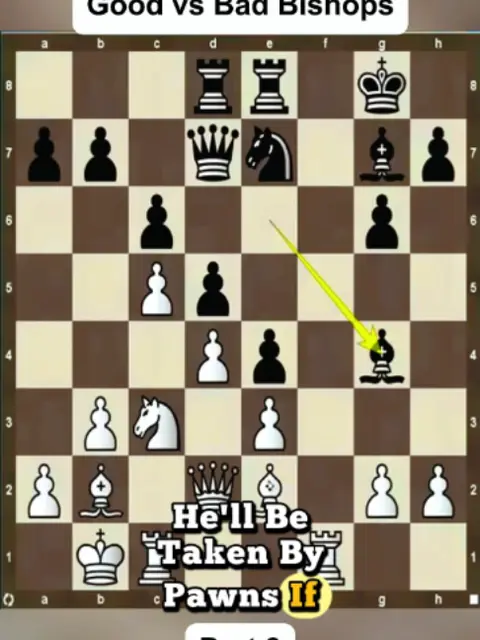
  • A bishop is bad when its own central pawns sit on the same color square as the bishop, blocking its diagonals. It becomes good once it is free of its own pawns and the opponent's pawns are fixed on that same color instead, giving it clear targets.
  • Trade away your bad bishop for the opponent's good one whenever the chance comes up, and hold on to your own good bishop as long as you can.
Show more
  • When your opponent is the one stuck with the bad bishop, trade off the other pieces too - a lone bad bishop causes far more pain for its owner once little else is left on the board.
Endgames 11 - Good Bishops & Bad Bishops
Intermediate
Endgames 11 - Good Bishops & Bad Bishops

Moderator This is the concept itself, textbook straight: defines a good bishop as one on the opposite color to your own pawns (so it can attack enemy pawns and stay mobile) and a bad bishop as blocked by its own pawns, then walks a full example. Exactly the sub-skill, no hedging.

Reviewer Clear, correct, and it actually explains the reasoning move by move - exactly what you want from an endgame lesson.

3.8
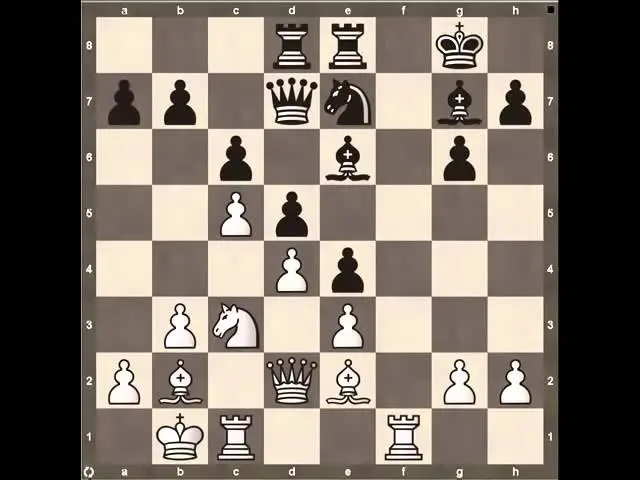
Chess Strategy  Good vs Bad Bishops
Beginner
Chess Strategy Good vs Bad Bishops

Reviewer Clear, interactive, and practical -- the best intro to the concept here.

Moderator Exactly the target concept -- explicitly teaching how to tell a good bishop from a bad one by comparing pawn color to bishop color.

3.8
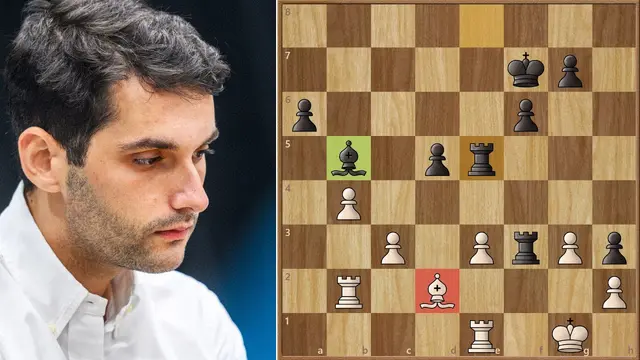
Chess Endgames #015 - van Wely vs Kramnik Good vs Bad Bishop
Advanced
Chess Endgames #015 - van Wely vs Kramnik Good vs Bad Bishop

Reviewer Excellent, systematic plan -- this is how you actually convert the good bishop.

Moderator A genuine bishop-vs-bishop endgame -- both sides have bishops, one is good (mobile) and one bad (blocked by its own misplaced pawns). Exactly the concept.

3.8
GOOD & BAD BISHOPS
Beginner
GOOD & BAD BISHOPS

Reviewer Doesn't stop at definitions, actually tells you how to fix a bad bishop. Recommend.

Moderator Covers the full territory: definitions of good, bad, active, and 'very bad' bishop, several labeled board examples for each, and three concrete remedies for a bad bishop. This is the most complete single treatment of the exact subskill in the batch.

3.7
How to Attack BAD Bishops | ChessKid
Beginner
How to Attack BAD Bishops | ChessKid

Reviewer Best one in the batch -- clear rule, real games, explains the reasoning the whole way through.

Moderator Identifies bad bishops in a real position, states the rule (trade, trade, and trade some more against a bad bishop), and backs it with a GM game plus a Kasparov example. About as squarely on-topic as it gets.

3.7
Chess Strategy   Good vs Bad Bishops   Chess Website
Beginner
Chess Strategy Good vs Bad Bishops Chess Website

Reviewer Textbook teaching structure -- define it, test it, apply it. No filler.

Moderator Squarely and only about this exact concept, built as a proper mini-lesson with three examples of increasing difficulty, each one asking the viewer to identify the good and bad bishop before revealing the answer.

3.7
Good vs Bad Bishops (Chess Strategy)
Beginner
Good vs Bad Bishops (Chess Strategy)

Reviewer Clear reasoning you can apply next time you're deciding whether to trade bishops.

Moderator This is the one video in the batch that's actually bishop vs bishop, exactly as tagged — comparing two real bishops, explaining targets, mobility, and trade decisions.

3.7
How Do You Spot Good And Bad Chess Pieces?
Beginner
How Do You Spot Good And Bad Chess Pieces?

Reviewer Clear, concrete, and genuinely excellent teaching.

Moderator Strong, dedicated coverage of good/bad pieces generally, with two full worked examples specifically on bad bishops - a bishop stuck behind its own pawn, and a bad bishop rerouted to become a great one. It ranges into rooks and knights too, so it's a notch broader than a pure bishop lesson, but the bishop content is substantial and central.

3.6
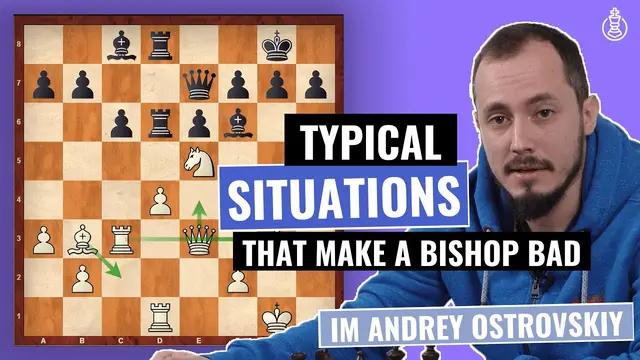
Typical Situations that make the Bishop bad | Chess Middlegame Strategy
Intermediate
Typical Situations that make the Bishop bad | Chess Middlegame Strategy

Reviewer Clear pattern, two strong real-game examples, explains the 'why' at every step.

Moderator First lesson of a series explicitly on bad bishops, opens with the most common cause (own pawns on the bishop's color self-limiting it) and builds two full GM games around it. Squarely the sub-skill.

3.6
Chess Strategy- Good vs Bad Bishops
Beginner
Chess Strategy- Good vs Bad Bishops

Reviewer Builds cleanly from simple to practical, and gives you criteria you can actually use in your own games.

Moderator Entirely, explicitly about good vs. bad bishops — three progressively complex examples (simple two-piece illustration, then more pieces, then a real trading decision) with no digressions.

3.5
How Pawn Structure Decides Bishop vs Knight Quality
Beginner
How Pawn Structure Decides Bishop vs Knight Quality

Reviewer Clear, well-organized, and genuinely teaches the concept from the ground up.

Moderator Same territory as the other knight-vs-bishop video - open positions and fixed pawns favor the bishop, closed positions and outposts favor the knight. Directly teaches what makes a bishop good or bad, just through the knight comparison.

3.4
Knight VS Bishop Concepts That Will Improve Your Endgames!
Intermediate
Knight VS Bishop Concepts That Will Improve Your Endgames!

Reviewer Clear principles, strong grandmaster example.

Moderator This is framed as knight-vs-bishop, but the substance is entirely about what makes a bishop good or bad based on pawn structure - open positions, pawns on both sides, fixing pawns on your bishop's color. Core to our skill even though the labeling is knight-vs-bishop.

3.4
Bad Bishop - Good Bishop in Chess
Beginner
Bad Bishop - Good Bishop in Chess

Reviewer Short, clear, and it sticks because you see the concept actually win a game.

Moderator Clean, direct definition up front, then a real game showing the bad bishop reduced to waiting moves while the good bishop wins via an unexpected sacrifice, closing with the pawn-placement rule stated plainly for both your own and your opponent's bishop. Exactly the subskill, nothing else.

3.4
Why Would Someone Trade A Monster Knight For A Bad Bishop | Capablaca’s Endgame Strategy
Advanced
Why Would Someone Trade A Monster Knight For A Bad Bishop | Capablaca’s Endgame Strategy

Reviewer Dense but excellent -- quizzes you at each critical moment and actually explains the point of the trade.

Moderator This is a masterclass on why a strong player would voluntarily trade a great knight for a supposedly "bad" bishop -- a sophisticated, very on-topic application of bishop-quality evaluation. Squarely the sub-skill, just at a high level.

3.4
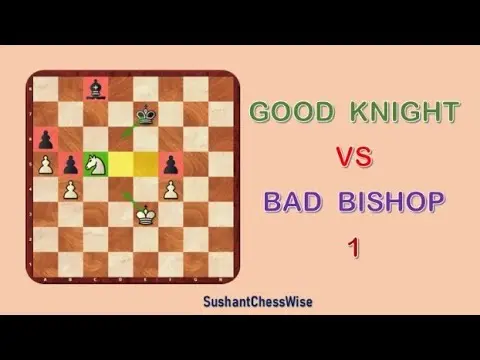
Lesson - 439 A Good Knight VS Bad Bishop - 1. Method To Exploit A Bad Bishop !
Beginner
Lesson - 439 A Good Knight VS Bad Bishop - 1. Method To Exploit A Bad Bishop !

Reviewer Clear, step-by-step, and it tells you upfront it's keeping the example simple on purpose -- good first exposure to the technique.

Moderator Opens by defining exactly what a bad bishop is (blocked by its own pawns) and builds a full example around exploiting one with a knight. Squarely the sub-skill, deliberately simplified as a teaching example.

3.3
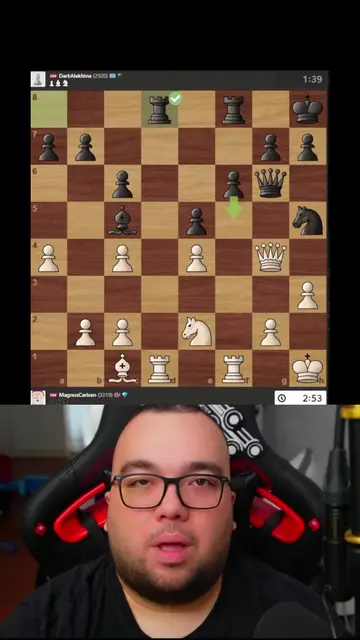
Good Knight vs Bad Bishop: Magnus Carlsen Positional ...
Advanced
Good Knight vs Bad Bishop: Magnus Carlsen Positional ...

Reviewer Strong game-based teaching of the concept, though the transcript itself gets repetitive in places.

Moderator This is precisely the 'bad bishop' concept in action — pawns fixed on the bishop's color to wall it in, exploited by a flexible knight, from a real Carlsen game. Framed as 'knight vs. bishop' rather than 'bishop vs. bishop,' but the mechanism being taught — what makes a bishop bad and how to exploit it — IS the sub-skill.

3.1
Chess Strategy Good Bishop vs Bad Bishop
Intermediate
Chess Strategy Good Bishop vs Bad Bishop

Reviewer Gets the concept right, but the three examples all play out the same way — a bit repetitive.

Moderator Opens with a precise definition (bad bishop = same color as your own central pawns, restricted), gives three worked examples of trading off the bad bishop, and closes by restating the general rule. Nothing in this video is off-topic.

3.1
Basics in chess - Middlegame strategy - Bad bishop situation
Intermediate
Basics in chess - Middlegame strategy - Bad bishop situation

Moderator Explicitly about engineering a bad-bishop situation in the middlegame via favorable trades - opens with the concept, references a prior video in the same series, and uses a strong game to demonstrate. Squarely on topic.

Reviewer Good practical takeaway - force the trades, leave them with the bad bishop - shown across a real game.

3.0
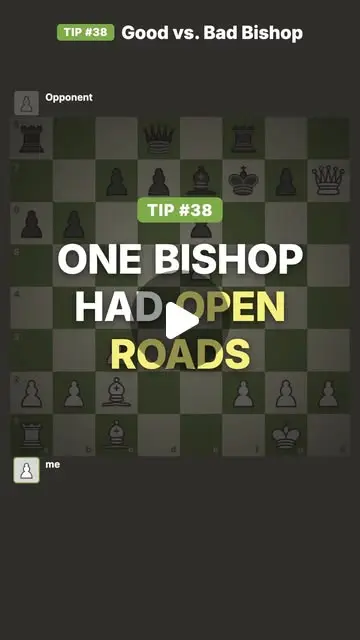
"Chess tip #38: Good bishop or bad bishop? A bishop is "bad" when ...
Beginner
"Chess tip #38: Good bishop or bad bishop? A bishop is "bad" when ...

Reviewer A rule you'll remember: pawns on the opposite colour of your bishop and it stays open. Good example from the French, but nothing on fixing a bad bishop.

Moderator Squarely on it: keep your pawns on the opposite colour to your bishop and its diagonals stay open, that's a good bishop. Backed by a real French Defence game where the pawns on e5 and c3 leave the light-squared bishop wide open, and the post spells out the flip side: a bishop is bad when your own pawns block it on its colour.

2.9
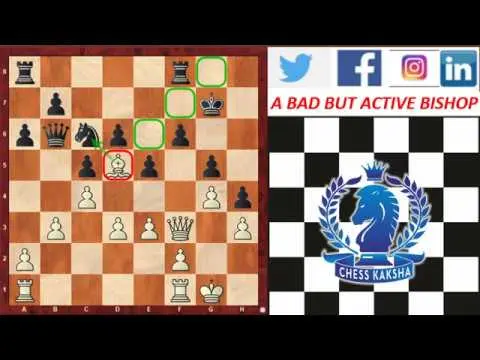
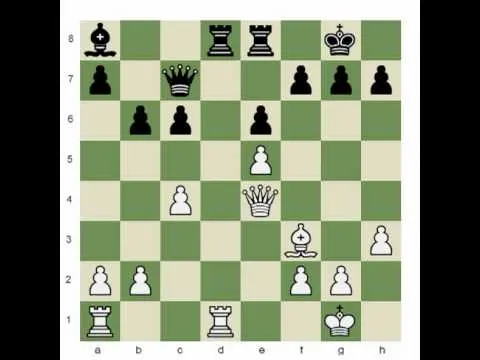
Good and Bad Bishop And How To Take The Advantage In Chess
Beginner
Good and Bad Bishop And How To Take The Advantage In Chess

Reviewer Good info, rough delivery. Worth it if you're patient.

Moderator Opens with the actual definition (good bishop is not locked in by own pawns, bad bishop is), cites Capablanca's pawn-placement rule, and walks a real position identifying black's active bishop against white's bishop jammed behind f3/e4 pawns. Squarely on the subskill.

2.9
Chess.com - Good and Bad Bishops; Karpov v. Lautier
Intermediate
Chess.com - Good and Bad Bishops; Karpov v. Lautier

Reviewer Good principle, solid example, but it's a truncated sales teaser.

Moderator Explicitly billed and delivered as a lecture on good and bad bishops, using a famous Karpov game as the example. Exactly the skill.

2.8
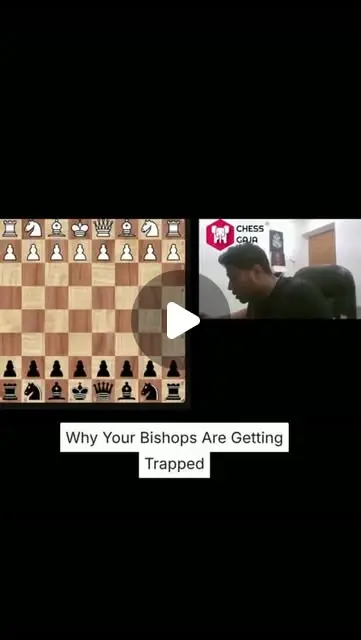
Why Your Bishops Are Getting Trapped #chessgaja ...
Beginner
Why Your Bishops Are Getting Trapped #chessgaja ...

Reviewer Clear beginner picture of what makes a bishop bad, hemmed in by its own pawns, and a habit that avoids it: develop it before you close the structure. It stops there, with nothing on what to do once you already have a bad one.

Moderator Explains the bad bishop idea with one position: a bishop shut in behind its own pawn chain next to the opponent's bishop standing free outside the chain, plus the beginner habit of closing the structure before developing that bishop. Squarely good versus bad bishop, though it only covers the one basic situation.

2.5
How Bobby Fischer wins the Good Bishop vs Bad Knight Battle | Positional Chess | IM Alex Astaneh
Advanced
How Bobby Fischer wins the Good Bishop vs Bad Knight Battle | Positional Chess | IM Alex Astaneh

Reviewer Even more precise than the companion video — the 'three knight moves to check' detail alone is worth the watch.

Moderator Companion video to the previous one, same setup: bishop vs knight, not bishop vs bishop, but the whole video is spent on the identical underlying reasoning (temporary vs permanent outposts, why the bishop combines better with rooks, checking-distance geometry) that underlies judging any minor piece's quality.

2.4
Good vs Bad Bishops #chess #bishop #chesstok #chessstrategy ...
Intermediate
Good vs Bad Bishops #chess #bishop #chesstok #chessstrategy ...

Moderator Makes the practical point of the topic: swapping your bad bishop for the opponent's good one shifts the game even when material is equal, so don't give up your good bishop for a lesser piece. Squarely about good versus bad bishops, though it deals with what happens in exchanges and doesn't spell out how to tell the two apart.

Reviewer Sound takeaway on bishop trades, short on how to spot a good or bad bishop.

2.2
What are Good and Bad Bishops? - Beginner to Chess Master
Intermediate
What are Good and Bad Bishops? - Beginner to Chess Master

Reviewer The idea's sound but the delivery is muddled -- you'll remember "don't hurry" more than you'll learn why.

Moderator The entire video is built around a live position with a good bishop for black and a bad one for white, and the plan revolves explicitly around keeping that bad bishop on the board as long as possible. That is the sub-skill.

2.2
A Good Knight and a Bad Bishop! - chess for intermediate.
Intermediate
A Good Knight and a Bad Bishop! - chess for intermediate.

Reviewer Solid structured lesson, but moves fast -- bring your own opening knowledge.

Moderator Again knight-vs-bishop rather than bishop-vs-bishop, but structured as an actual lesson (numbered, theory + typical plan + tactical homework) that explicitly names the moment the bishop becomes bad and why.

2.2
How I WON with Good Knight vs Bad Bishop | Chess Strategy
Advanced
How I WON with Good Knight vs Bad Bishop | Chess Strategy

Reviewer Real game, real reasoning -- rewards a viewer who can follow the notation.

Moderator This is good knight vs bad bishop, not bishop vs bishop, but the bad-bishop half of the concept is genuinely and correctly applied mid-game -- the player explicitly identifies how his opponent's own pawns turned the bishop bad and builds a plan (knight to f4, pawn structure) around exploiting it.

2.2
How to play with the Good Bishop against the Bad Knight | Positional Chess | IM Alex Astaneh
Advanced
How to play with the Good Bishop against the Bad Knight | Positional Chess | IM Alex Astaneh

Reviewer Excellent explanation of what makes a bishop dominant — just demonstrated against a knight rather than a bishop.

Moderator This is 'good bishop vs bad knight,' not bishop-vs-bishop — an adjacent minor-piece-imbalance topic. That said, the entire video is spent explaining exactly what makes a bishop effective (open diagonals, restricting the enemy piece, coordinating with pawn structure), which is the same underlying reasoning this skill is built on, just demonstrated against a knight instead of a bishop.

2.2
Learn Chess - Strategic Play - Good Knight vs. Bad Bishop (Level 3)
Intermediate
Learn Chess - Strategic Play - Good Knight vs. Bad Bishop (Level 3)

Moderator Another narrated real game under the 'Good Knight vs Bad Bishop' banner (Level 3), and unlike some of these, this one actually lands the explanation near the end - pawns fixed on the bishop's color, bishop stuck, knight dominant. On-topic and it pays off within the clip.

Reviewer Takes a while to get there, but the payoff at the end genuinely explains why the bishop was bad here.

2.1
How to play with the Good Knight against the Bad Bishop | Minor Piece Play | IM Alex Astaneh
Intermediate
How to play with the Good Knight against the Bad Bishop | Minor Piece Play | IM Alex Astaneh

Reviewer States the core mechanism (pawns fixing or freeing a bishop) clearly, even though the demo game is knight vs bishop.

Moderator This is the series overview, and it explicitly names 'better bishop... same color bishop or opposite colored bishops' as one of the three pillars it will cover — so it promises this exact skill — but the visible portion spends its worked example on good-knight-vs-bad-bishop, a related but different pairing. The framework given (how pawn structure improves or ruins a bishop) is directly on-topic even before the dedicated bishop-vs-bishop material would presumably arrive later.

2.0
Bishop versus Knight, Reti - Rubinstein, Gothenburg (1920) · Endgame Strategy 1
Advanced
Bishop versus Knight, Reti - Rubinstein, Gothenburg (1920) · Endgame Strategy 1

Reviewer Genuinely teaches you to reason about bishop quality from the pawn structure — just wrapped inside a knight-vs-bishop game.

Moderator First entry in an endgame strategy series, built around a classic Reti-Rubinstein game. A real chunk of this is exactly the good/bad bishop question — the coach has you pause and think about how the bishop could be made worse, then walks through concretely how a pawn on f5 would blind it on the light squares versus how it stays strong if kept open. It's framed as bishop vs knight rather than bishop vs bishop, but the diagnostic reasoning is the real thing.

1.7
Bad Bishop vs Good Knight in the Endgame with equal material is decisive enough! Learn Chess Endgame
Intermediate
Bad Bishop vs Good Knight in the Endgame with equal material is decisive enough! Learn Chess Endgame

Moderator Full annotated London System game explicitly billed as bad-bishop-vs-good-knight in the endgame; the excerpt is all opening/middlegame moves and cuts off right as the presenter starts explaining the pawn-color point, but the whole game is clearly built to reach that conclusion.

Reviewer Solid game commentary, but it stops just short of explaining the actual bishop weakness.

1.4
Good Bishop vs. Bad Knight: Master This Essential Endgame Pattern
Advanced
Good Bishop vs. Bad Knight: Master This Essential Endgame Pattern

Reviewer Explains 'good bishop' criteria well — just not against another bishop.

Moderator Companion video to the knight-vs-bishop one — again the matchup is bishop vs KNIGHT, not bishop vs bishop. But this half explicitly explains 'what makes a bishop a good bishop,' the other diagnostic half of the tagged sub-skill.

1.3
Nikolas Theodorou Demonstrates "Good Bishop vs Bad Bishop"
Advanced
Nikolas Theodorou Demonstrates "Good Bishop vs Bad Bishop"

Reviewer The one relevant moment is sound, but you're wading through a lot of unrelated game commentary to reach it.

Moderator This is a full Bundesliga game recap — opening choice, a resignation mystery from a 2007 blitz game, pawn islands, time pressure — with the good/bad bishop read as one real observation in the middle ('the bishop on c3 is stuck hitting f6... not that great... black should be a little better'). It's a genuine, correctly-reasoned application of the concept, but it's a small slice of a broader game story, not the video's organizing purpose.

1.3